Hard Type Beat Guide for Chicago Drill
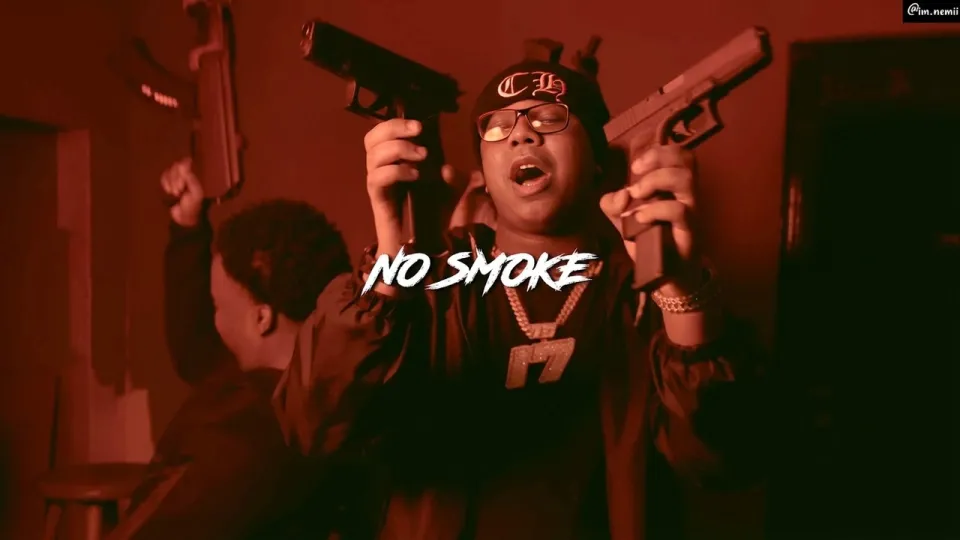
Video: [Hard] VonOff1700 Type Beat - “No Smoke” | Chicago Type Beat 2026
Need articles like this for your video? They help promote it on YouTube and Google — order them in the Telegram bot @sat_sit_bot. Articles with your video embedded are written and posted by the bot itself — on popular topical sites (no ads). Your first 50 articles are free.
· based on the channel Nemii
A type beat is an original instrumental built in the style of a particular artist so that a rapper can record over it without clearing a sample of that artist's actual song. In practice it is a production template: the drums, 808 pattern and melody follow the sonic signature of a scene, while the composition itself belongs to the producer. The hard Chicago drill instrumental "No Smoke" by Nemii, made in the style of VonOff1700, is a working example — you can hear it and check licensing terms at the producer's licensing page.
What a type beat actually is and is not
A type beat is a fully original composition that imitates a genre or artist's sound, not a remix, not an instrumental version of an existing record, and not a beat stolen from a release. The producer owns the copyright to the instrumental and sells usage rights under a license; the rapper owns the vocal performance and, depending on the license tier, the resulting master.
Three things follow from that definition:
- The beat can be sold many times under a non-exclusive license, so another artist may record on the same instrumental.
- The artist's name in the title is descriptive only — it signals the style, not a collaboration or an endorsement.
- Sampling the original artist's vocals or a copyrighted loop into the beat changes the legal picture and requires clearance.
Search behavior reflects this: people type "vonoff1700 type beat", "chicago drill type beat 2026" or "dark chicago drill type beat" when they want a specific texture rather than a specific song.
Inside the hard Chicago drill sound
Hard Chicago drill is defined by aggression and space: heavy low end, clipped drums and a melody that leaves room for dense, punchy delivery. The VonOff1700 and Bloodhound Q50 corner of the scene leans on distorted 808s, short vocal-chop or bell motifs, and drums that hit harder than they swing.
What to listen for in a beat like "No Smoke":
- Tempo: drill usually sits in the 130–145 BPM range, felt half-time so the rapper can ride it at roughly 65–72 BPM.
- 808s: long, sliding sub-bass notes that glide between pitches and carry the low end instead of a bassline.
- Hi-hats: fast triplet rolls and stutters that create motion against the slow pulse.
- Melody: a sparse, often dark loop — bells, plucks, choir pads or a filtered sample — repeated with minimal variation.
- Arrangement: intro, drop, short switch-ups every 8 or 16 bars, and clean space for ad-libs.
A "sample type beat" uses a chopped or replayed loop as its melodic core; a "dark chicago drill type beat" pushes the same template toward minor keys and heavier distortion. Both labels describe the same family of instrumentals.
How to use a type beat without losing your rights
Using a type beat legally means matching the license to your release plan before you upload anything. Free downloads are for practice, demos and freestyles that stay off monetized platforms; distribution on Spotify, Apple Music or YouTube Content ID requires a paid lease or an exclusive purchase.
A practical order of operations:
- Pick the beat and confirm the tempo and key so your writing session stays consistent.
- Download the free tagged version to write and rehearse.
- Decide the release route: single, mixtape, video, or paid streaming distribution.
- Buy the appropriate license and keep the receipt and contract file alongside the project.
- Record, mix and master, then register the release with the correct credits — producer name included.
- If the song gains traction, upgrade the license or negotiate an exclusive before a label or sync opportunity appears.
Lease terms typically cap streaming numbers and video monetization, and prohibit reselling the instrumental or registering it with Content ID. Read the tier limits rather than assuming them; the difference between a $30 lease and an exclusive is usually a few thousand dollars and a permanent removal of the beat from the store.
Choosing the right beat for your voice and lane
Matching the beat to the delivery matters more than matching it to a trend. A hard Chicago drill type beat rewards punchy, front-loaded writing with short bars and heavy ad-libs; a melodic rapper will sound buried on the same instrumental.
A quick checklist before you commit:
- Register: can you ride the 808 pattern without fighting it?
- Pocket: does your flow sit on the hi-hat rolls or against them?
- Range: does the melody leave a frequency gap for your voice?
- Hook: is there an obvious drop or switch where a chorus can land?
- Length: does the arrangement give you two verses and a hook without padding?
Producers who work in this lane, like Nemii, usually publish tempo and key details with each upload, which shortens the trial-and-error stage considerably.
Questions rappers ask before recording
Most hesitation around type beats comes down to rights, originality and whether a beat is "free" in the sense that matters. A free download grants no distribution rights; it is a promotional file. Recording a freestyle over it for social media is common practice, but monetizing that video or uploading the song to streaming services is not covered.
A second recurring concern is originality: if two artists use the same non-exclusive beat, neither has a claim against the other, but the songs will be compared directly. For artists building an identity, an exclusive or a custom beat avoids that overlap. Producers generally take custom requests by email or Instagram, and many offer bundle deals — buy two, get one — that lower the per-beat cost for a project.
A third is style drift: a beat tagged as VonOff1700-style may also fit Bloodhound Q50, Screwly G or Lil Speedy territory, because the whole Chicago drill scene shares a rhythmic vocabulary. Treat the artist name as a search shortcut, not a strict boundary.
Useful links
- License "No Smoke" and download the beat
- Buy the high-quality untagged version — buy two, get one free
- Nemii on Instagram — custom beats, exclusives and coupon codes
- Full beat catalog
Final word on picking a type beat
A type beat is a tool, and the hard Chicago drill template is one of the most reliable tools in rap right now: fixed tempo ranges, predictable arrangement and a low end that translates on phone speakers. The work is in matching the license to your release plan and the instrumental to your voice, not in chasing the loudest file in the folder. Nemii's breakdown of the VonOff1700-style sound shows how narrow that lane really is — a handful of drum choices and one dark loop decide whether a beat feels stamped or generic. Start with the free tagged file, write two verses, and only then decide whether the record deserves a paid license. When it does, grab the license here and keep the paperwork with the session files.
Key takeaways
- A type beat is an original instrumental made in the style of a specific artist, sold for rappers to record over.
- "No Smoke" is a hard Chicago drill type beat produced by Nemii in the style of VonOff1700 and Bloodhound Q50.
- A free download does not grant release rights: publishing on streaming platforms requires a paid license.
- Typical drill tempo sits around 130–145 BPM with sliding 808s, sparse melodies and triplet hi-hats.
- Untagged files and exclusives are handled through the producer's licensing page and Instagram contact.
Questions & answers
Can I release a song on a free type beat?
No. A free download is a promotional, usually tagged file intended for practice and non-monetized freestyles. Distributing the song to Spotify, Apple Music or YouTube Content ID requires a paid lease or an exclusive license from the producer.
Is a VonOff1700 type beat the same as his actual song?
No. It is an original instrumental composed in the style of that artist's sound, with original drums and melody. The artist's name in the title describes the style only and implies no collaboration, sample or endorsement.
What tempo should I expect from a hard Chicago drill beat?
Most drill instrumentals sit around 130–145 BPM and are felt half-time, so rappers ride them at roughly 65–72 BPM. The 808s slide between pitches while triplet hi-hats provide the speed.
What if another artist already used the same beat?
That is normal with non-exclusive leases, and neither artist has a claim against the other. If you want the instrumental removed from the store and reserved for you alone, negotiate an exclusive or order a custom beat from the producer.
Source: [Hard] VonOff1700 Type Beat - “No Smoke” | Chicago Type Beat 2026 · Markdown version